
News & Media > Editorials > Eggs Uncaged - The reality of ‘ethical’ eggs (DRAFT)
Eggs Uncaged - The reality of ‘ethical’ eggs (DRAFT)
 By Harley McDonald-Eckersall
Free-range, cage-free - we went behind the labels to expose the real cost of 'ethical' eggs.
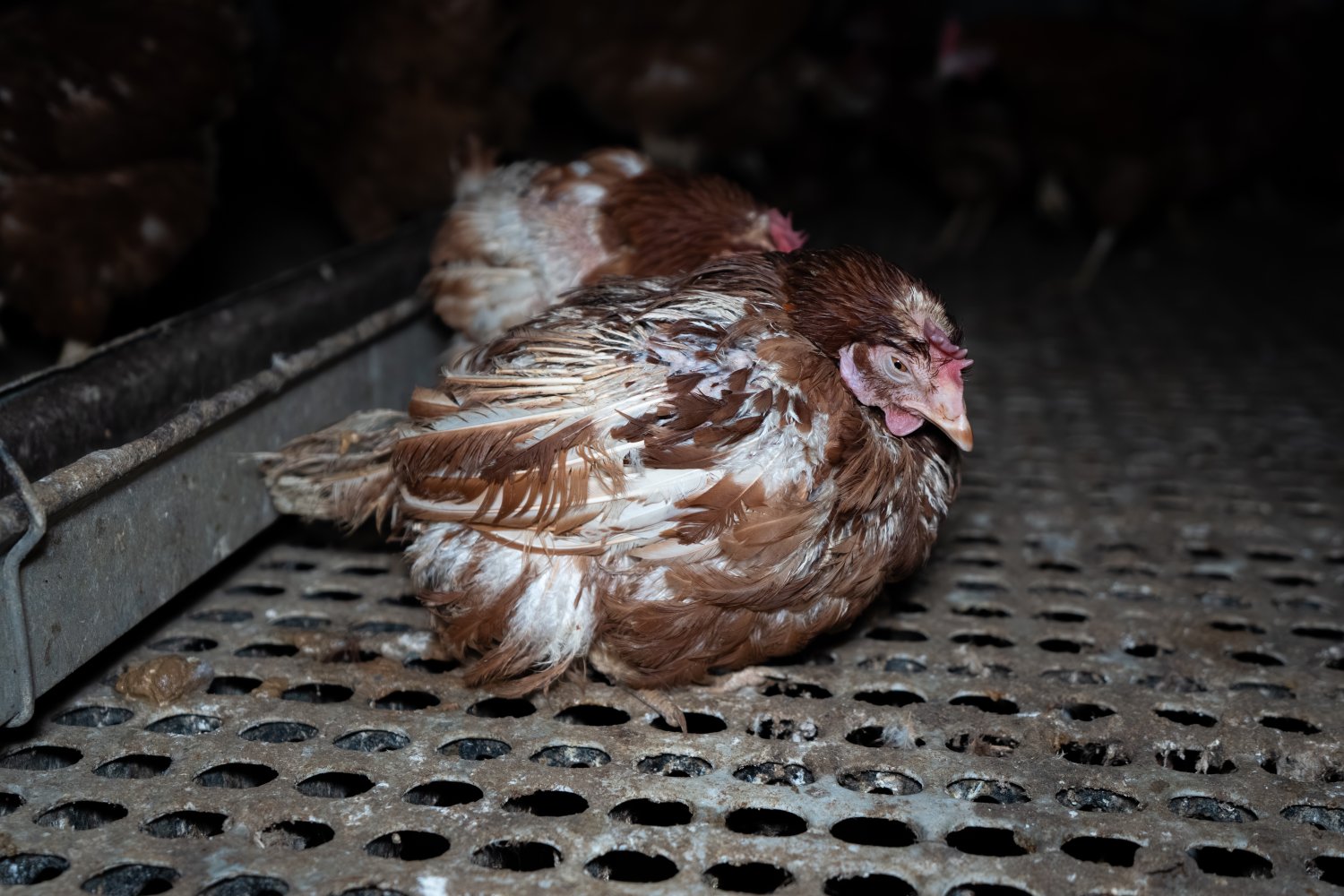
Roughly 55% of the 19 million Australian egg-laying hens are raised in cage systems, where birds are kept behind bars for their entire lives. On cage farms, hens can be allowed as little as 550cm2 of space, roughly the size of an A4 piece of paper. The other 45% of egg-laying hens are raised in cage-free systems, a loose umbrella term that covers both certified free-range production systems, as well as 'barn-laid' egg farms where hens aren't caged but aren't granted access to the outdoors. Over the past decade, successful campaigns highlighting the animal welfare issues posed by cage-egg systems have influence an increasing push for supermarkets, restaurants and companies to phase out the use of cage eggs, with the main issue cited being animal welfare. But, are alternative systems really any better for hens?
In 2025 investigators visited seven Victorian egg farms offering free-range and cage-free eggs. From small, local producers to major supermarket suppliers, they found the same suffering and misery in each shed they visited. The farms investigated included some of the biggest suppliers of free-range eggs in the country, including Josh's Rainbow Eggs, Valley Park Farms and Farm Pride, a major supplier of Coles Brand Free Range.
The Free-Range Myth
In Australia, federal laws require eggs that label themselves as free-range to come from chickens who are allowed access to the outdoors. Free-range farms are able to provide just one square metre of outdoor space for each hen. There are no legal requirements or standards which apply to cage-free or 'barn-laid' egg production systems.
Most consumers buying free-range or cage-free eggs do so because they care about the wellbeing of chickens. Brands sold in major supermarkets market themselves as 'truly free-range,' (Josh's Rainbow Eggs) 'free-range by nature,' (Valley Park Farms) and having 'nothing to hide' (Farm Pride).
Despite common assumptions that free-range means higher welfare, the NSW Department of Primary industries actually lists free-range farming as having the highest mortality rates of any egg production system. Factors such as increased feather pecking, cannibalisation and aggression, as well as risks of something and disease spread contribute to the high number of deaths on free-range farms.
The issues
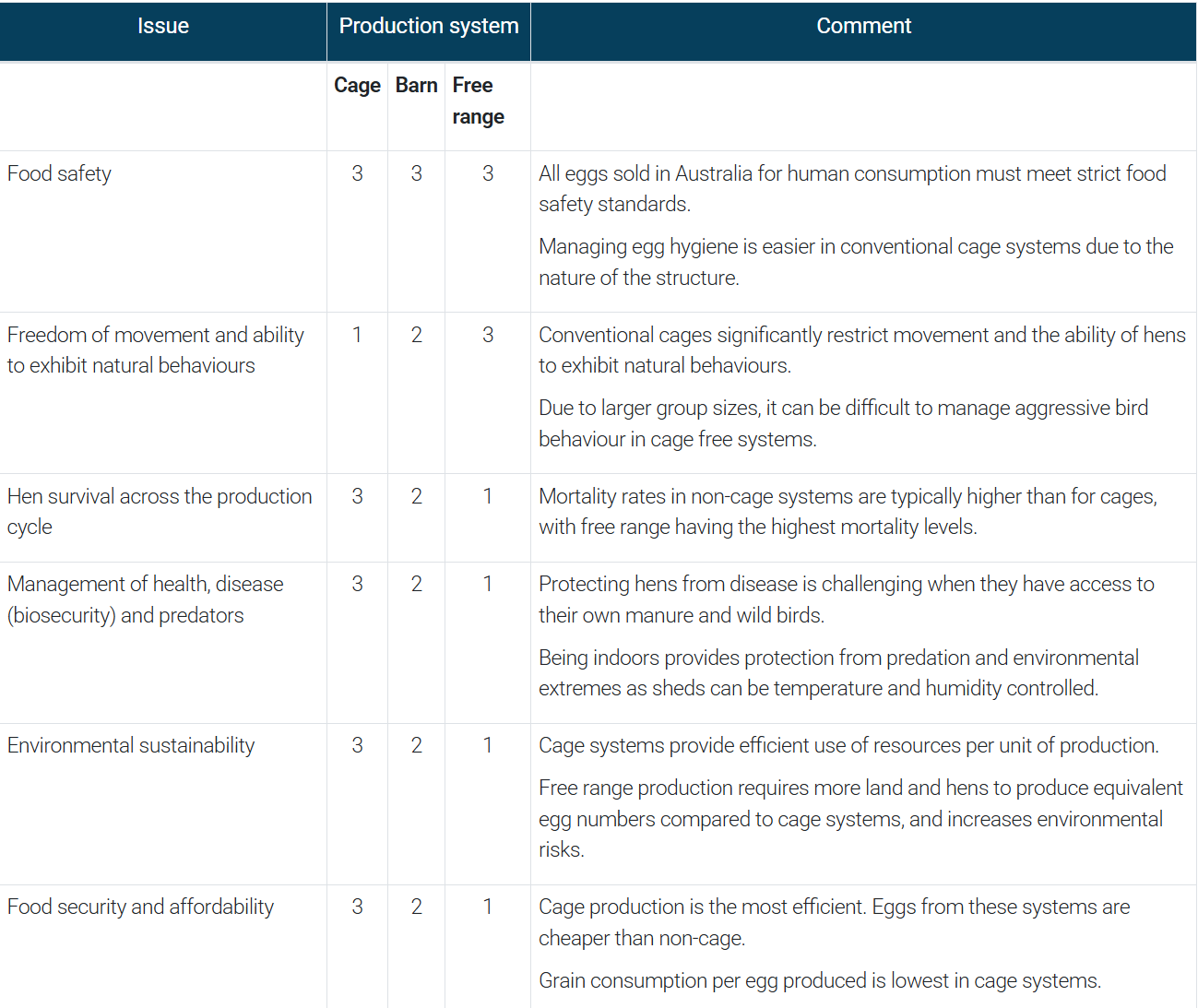
Feather pecking
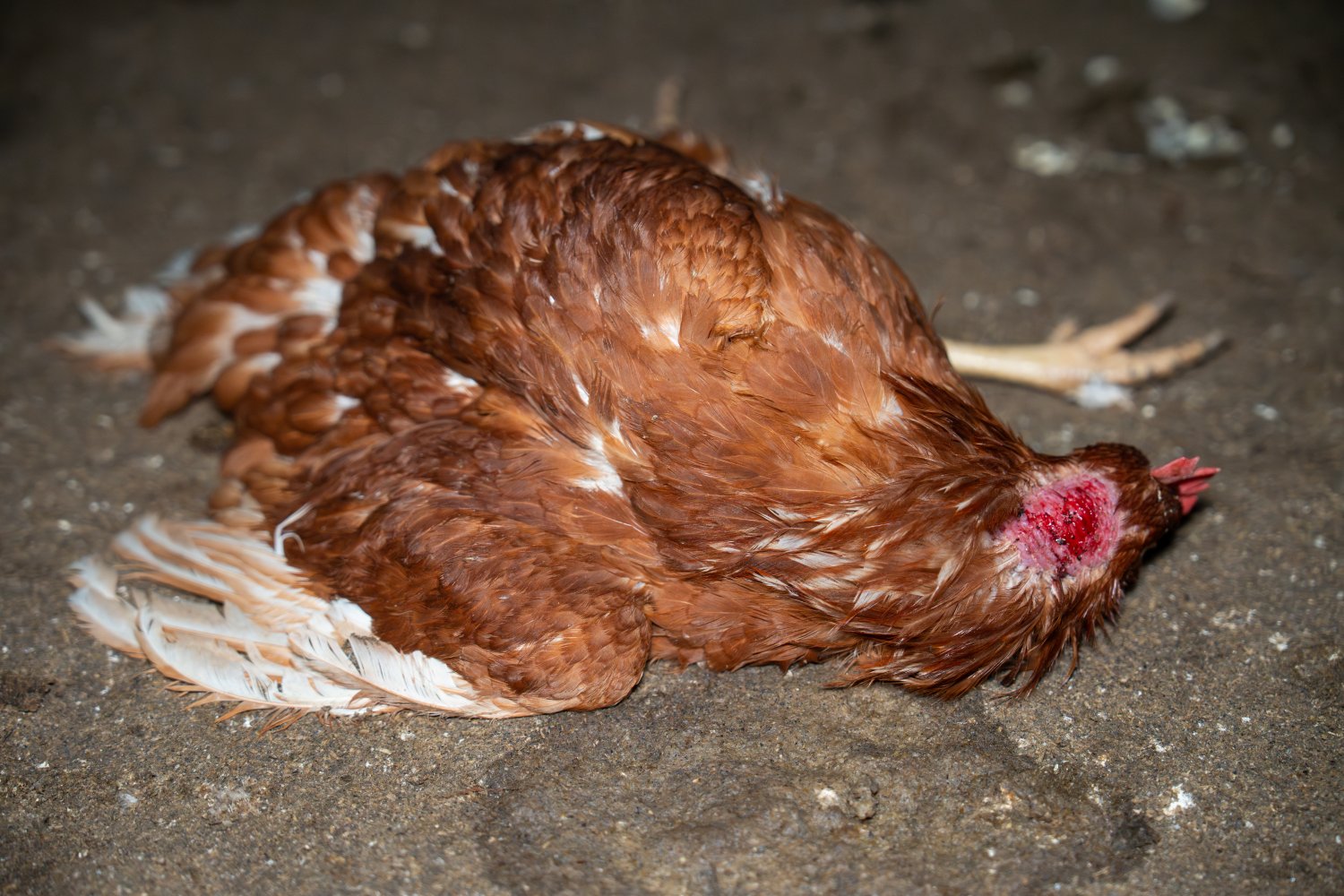
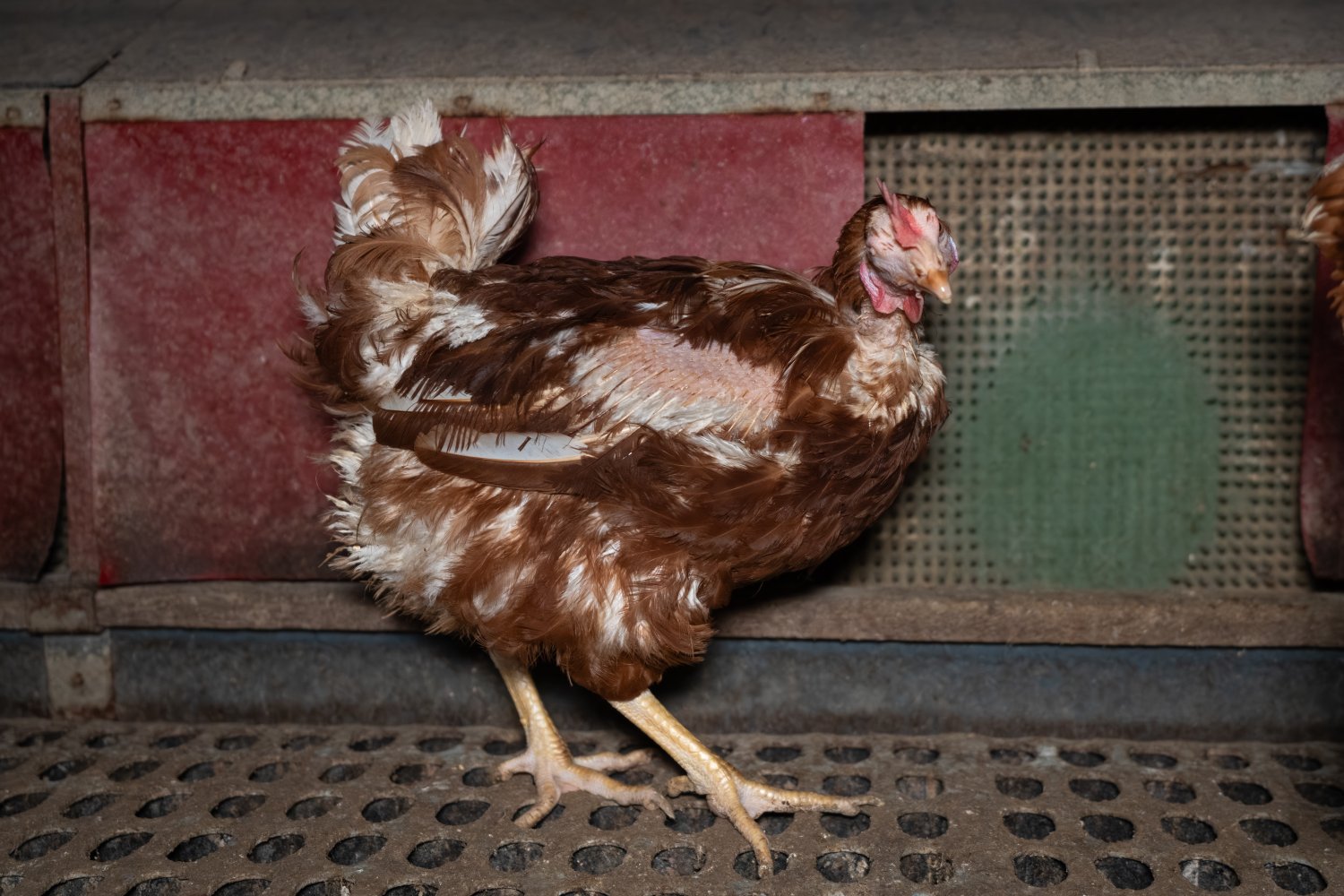
Across all farms investigated, hens were found with open wounds, likely from fighting and feather pecking, a symptom of overcrowded sheds. Many hens were missing feathers from their necks, tails and wings, also indicative of cramped sheds with no stimulation. To prevent feather pecking, newborn chicks have their beaks cut, either with a hot blade or a laser. However pecking and cannibalisation are still common, especially in cage-free and free-range systems.
Forced moulting
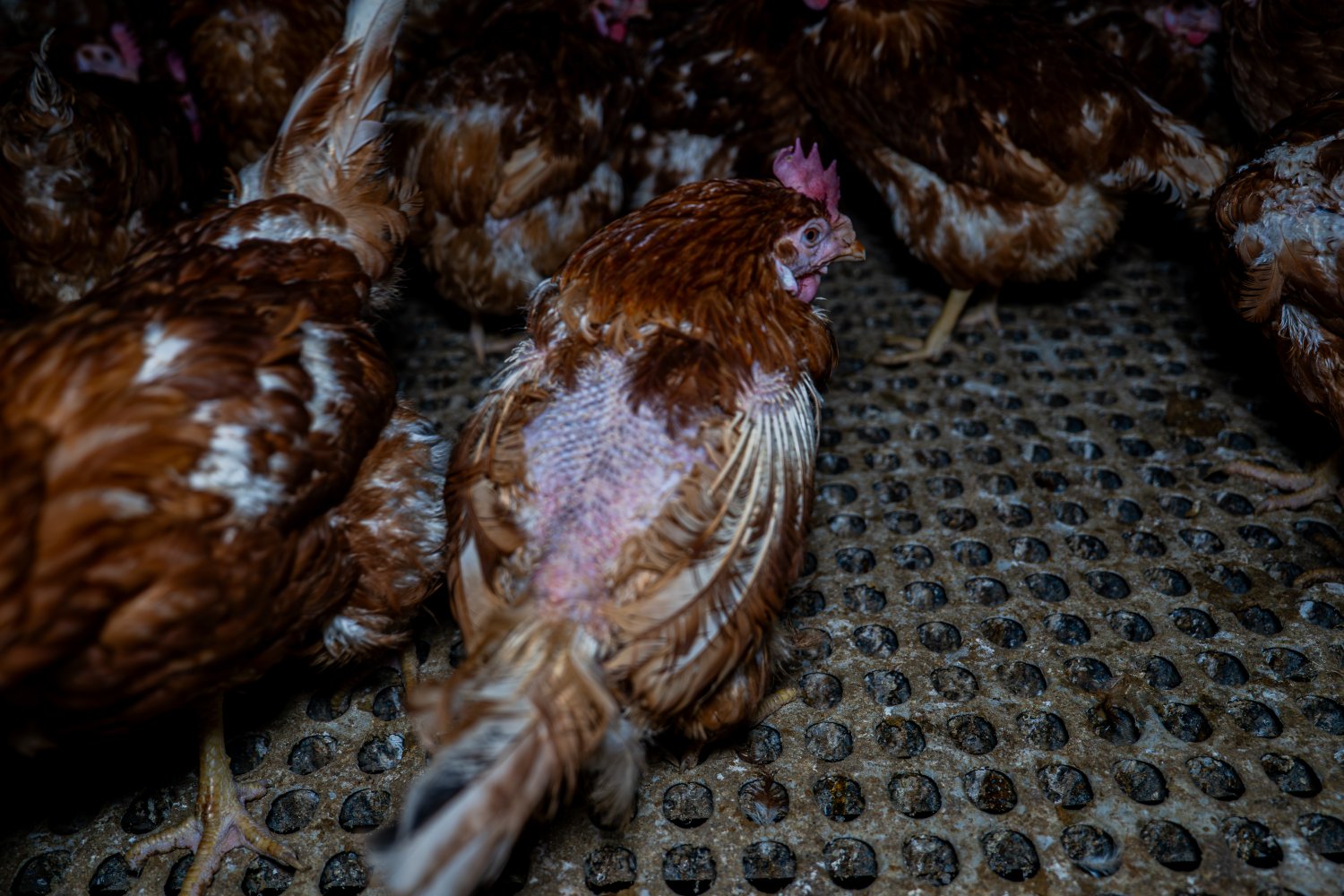
Missing feathers can also be an indication that birds are moulting, a natural process which is forced in factory farms through controlled lighting and complete or total starvation. Starvation is a technique commonly used on factory farms at the end of a hen's first laying cycle to improve the productivity and quality of eggs in subsequent cycles. Ex-workers have revealed to Farm Transparency Project that free-range egg brand Josh's Rainbow Eggs use starvation to induce forced moulting in hens. Forced moulting is not permitted under RSPCA approved standards.
Malnutrition
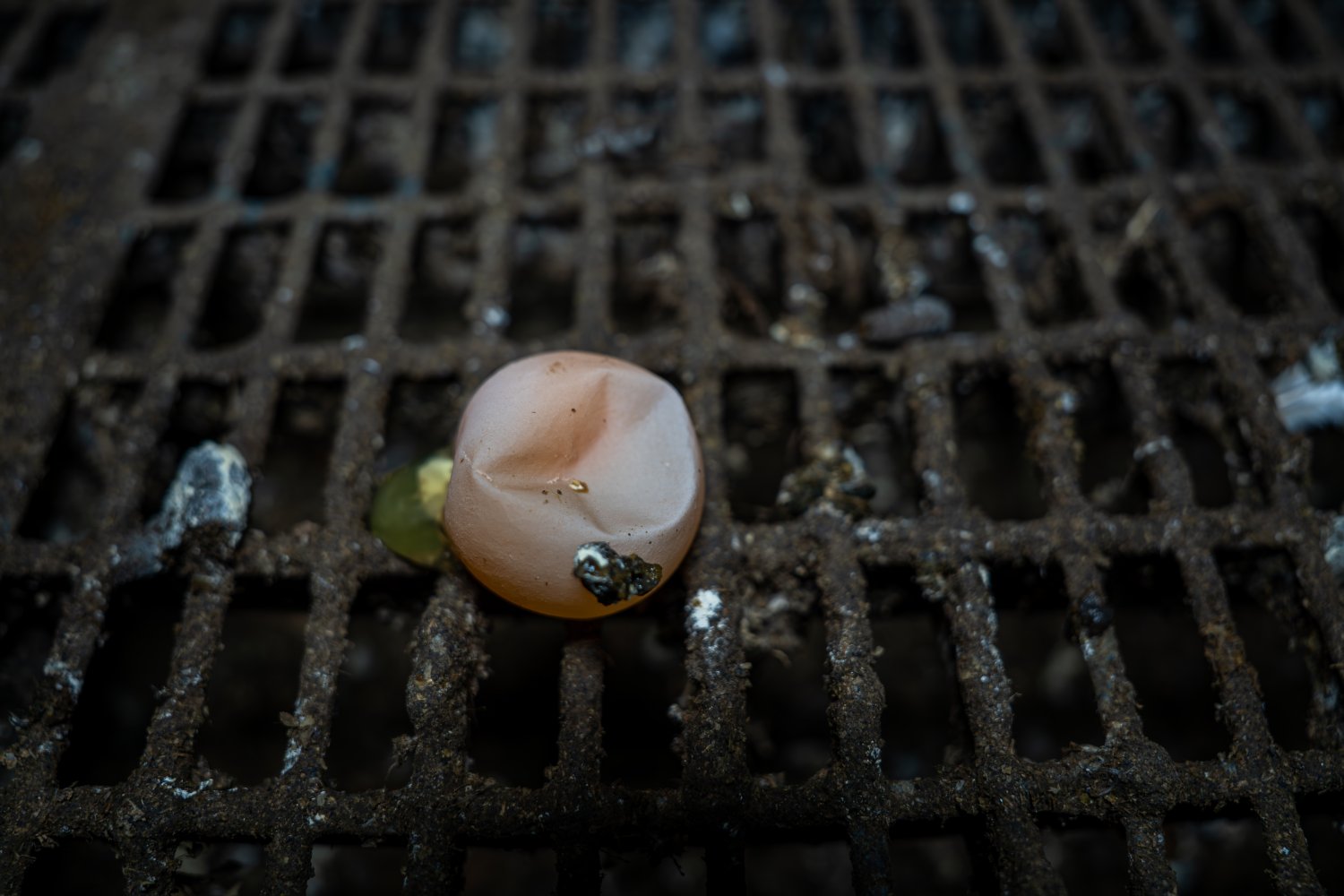
Many hens bred on commercial egg farms experience nutritional deficiencies from a lack of fresh food and sunlight. At many of the farms investigated, hens were found to be laying jelly-like, soft shelled eggs, an indication of calcium deficiency and stress. Other hens were seen with pale, floppy combs which indicate anemia.
Cannibilisation
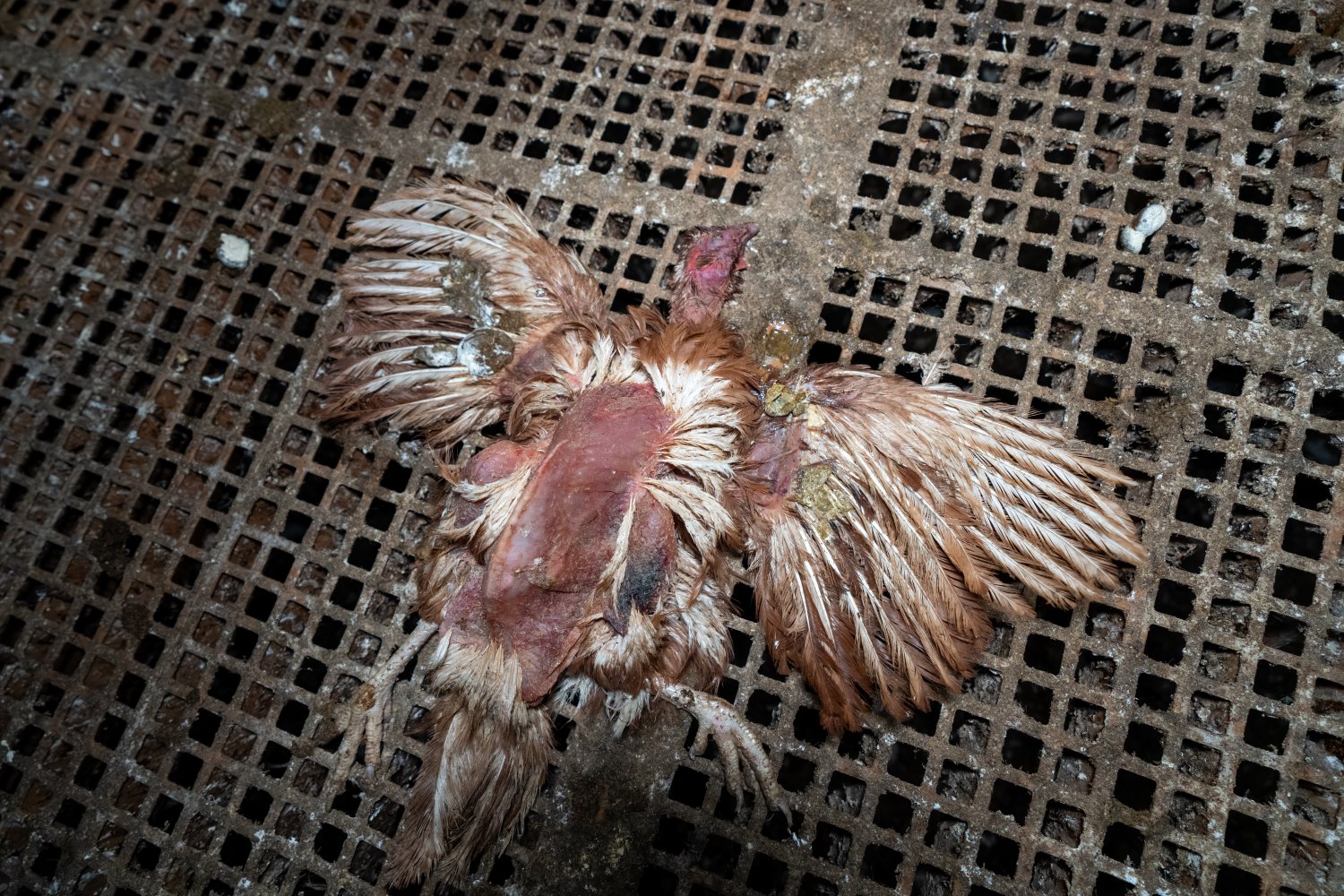
In nature, hens form small groups with an established 'pecking order.' However, in sheds, tens of thousands of birds are packed tightly together with only metal bars to perch on. This causes aggression, fighting and even cannibalisation which is recognised as the second most common cause of death on free-range egg farms.
Injured hens will be killed by workers each day or will die slow, painful deaths in the sheds.
Reproductive illness
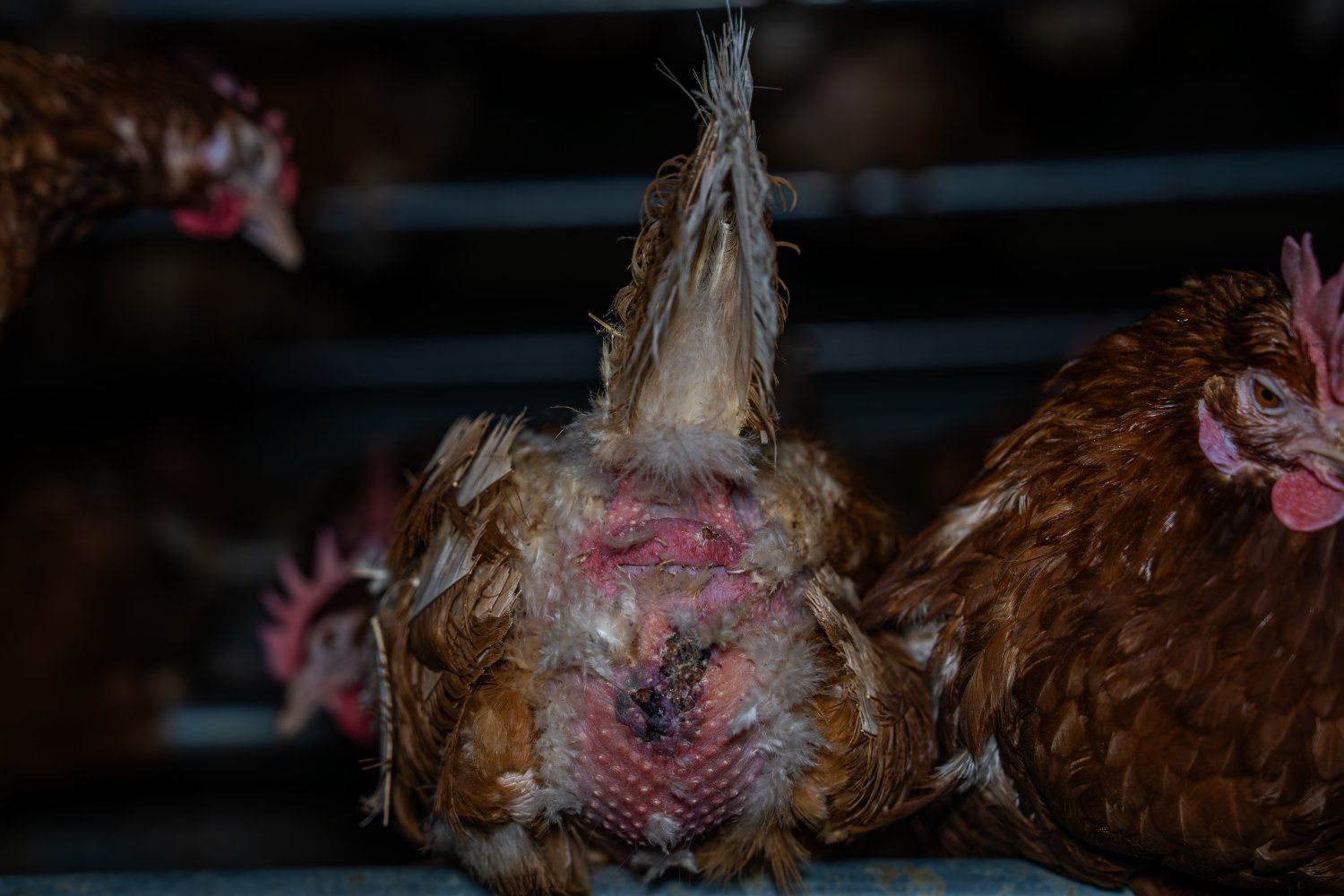
The modern-day egg-laying hen has been selectively bred and genetically manipulated over many years to lay an excessive number of eggs, up to 300 eggs per year, placing huge stress on their bodies. Investigators documented evidence of hens with prolapses and others who showed signs of being 'egg bound,' a painful and potentially life-threatening condition where an egg becomes stuck in the reproductive tract.
Slaughter
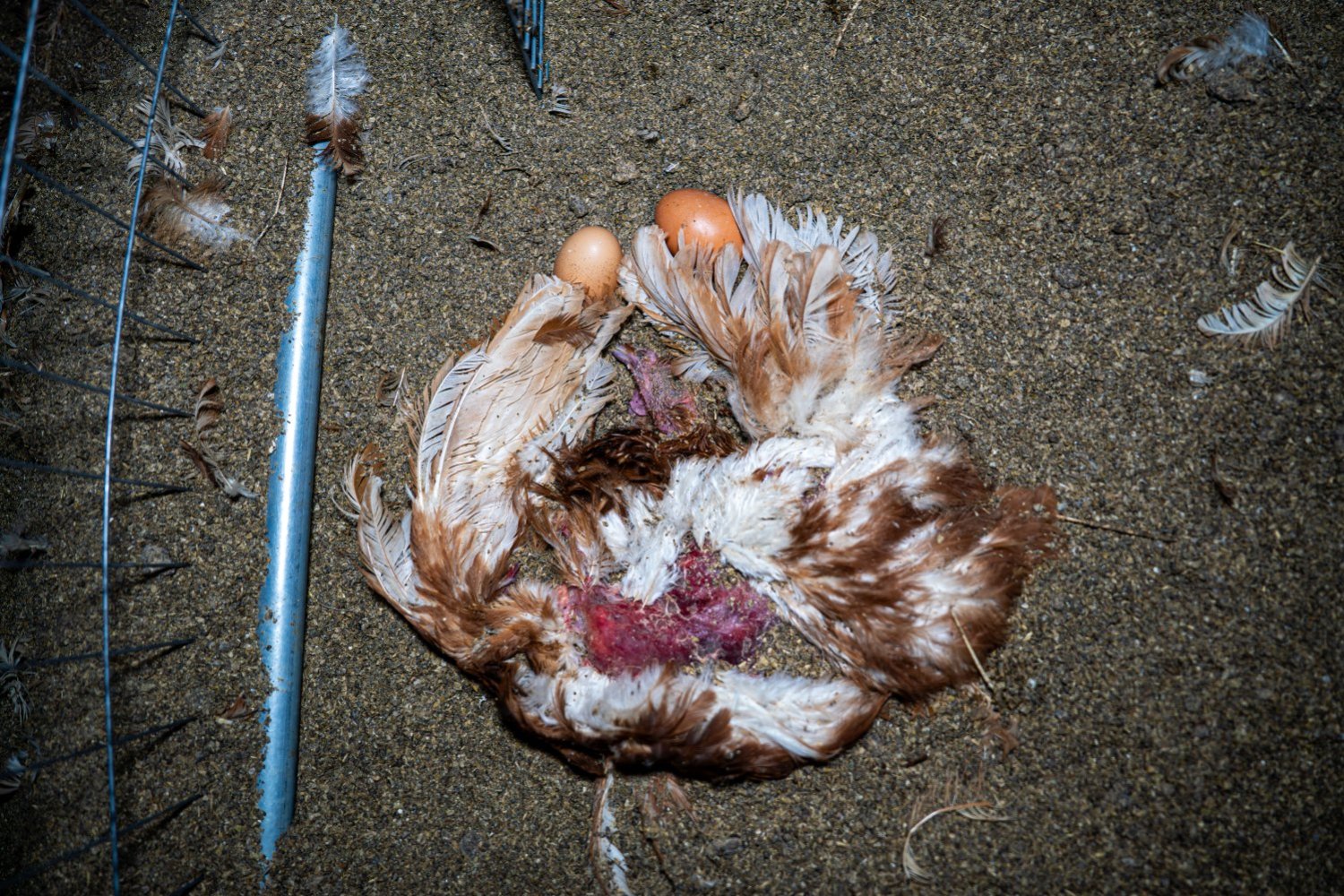
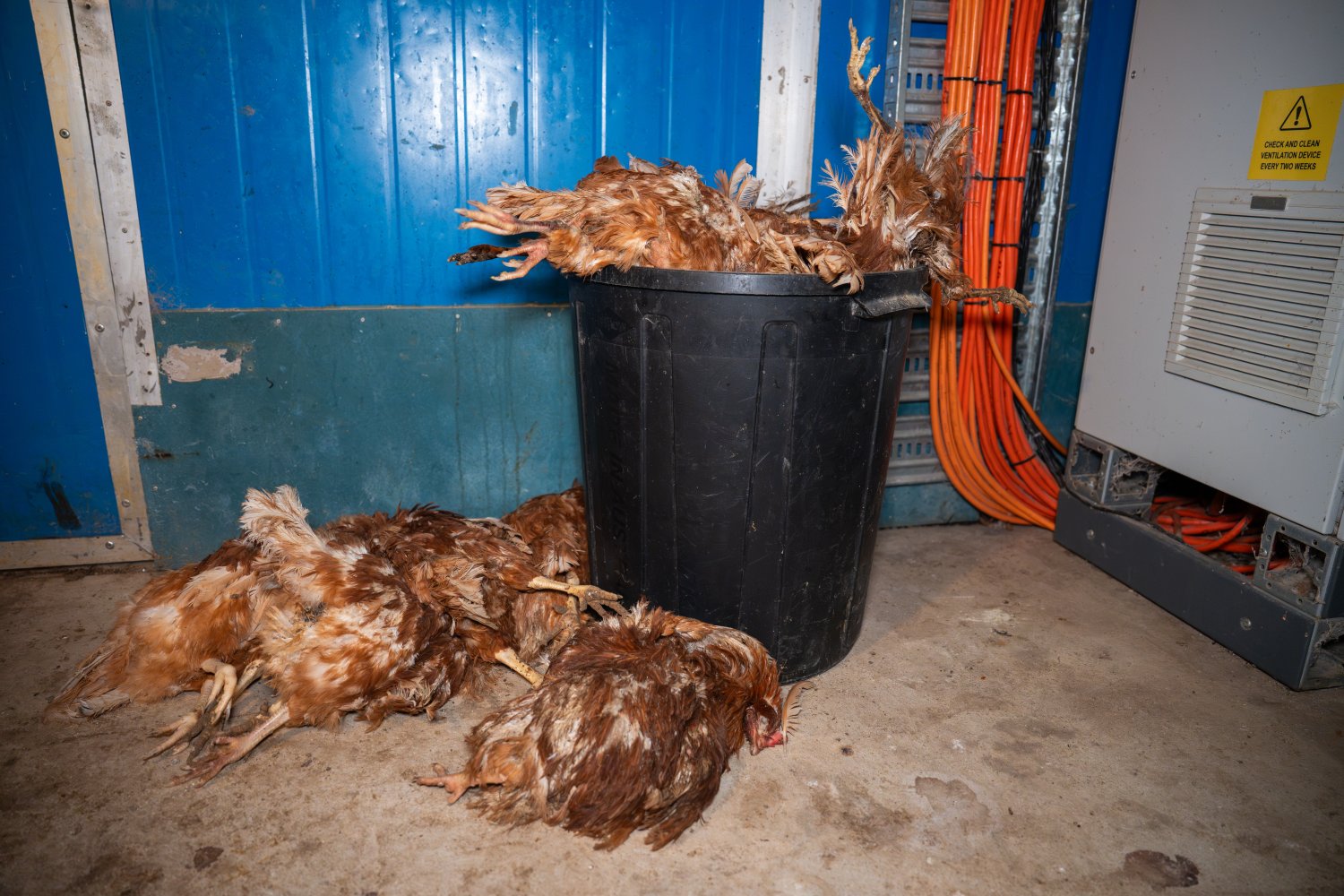
Egg laying hens are killed at 12-18 months of age, when their egg production begins to slow. Many don't make it that long. At Valley Park investigators found dead hens decomposing in the sheds, as well as bins of the dead, carelessly discarded alongside rubbish. A pile outside one of the sheds was full of bones and feathers.
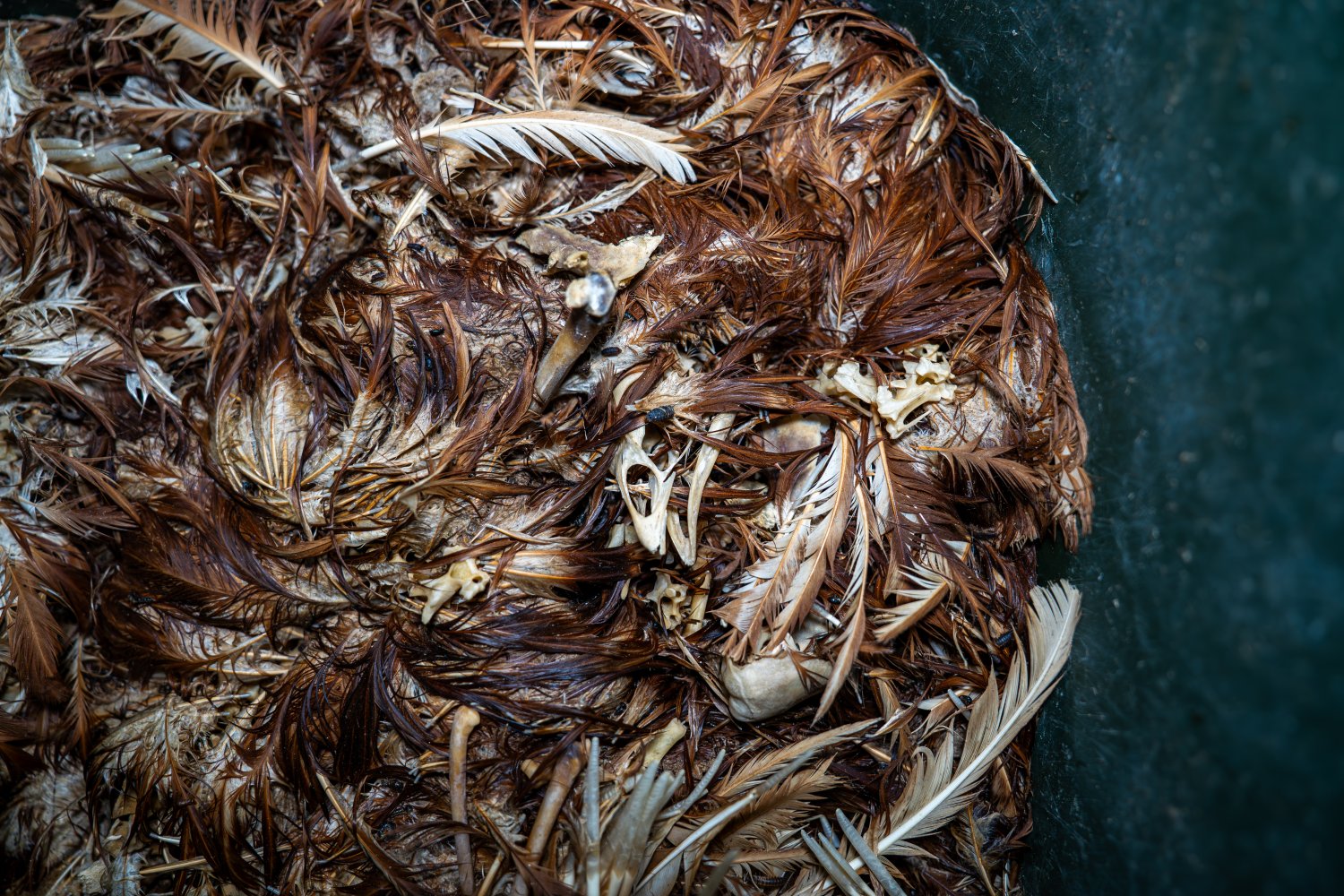
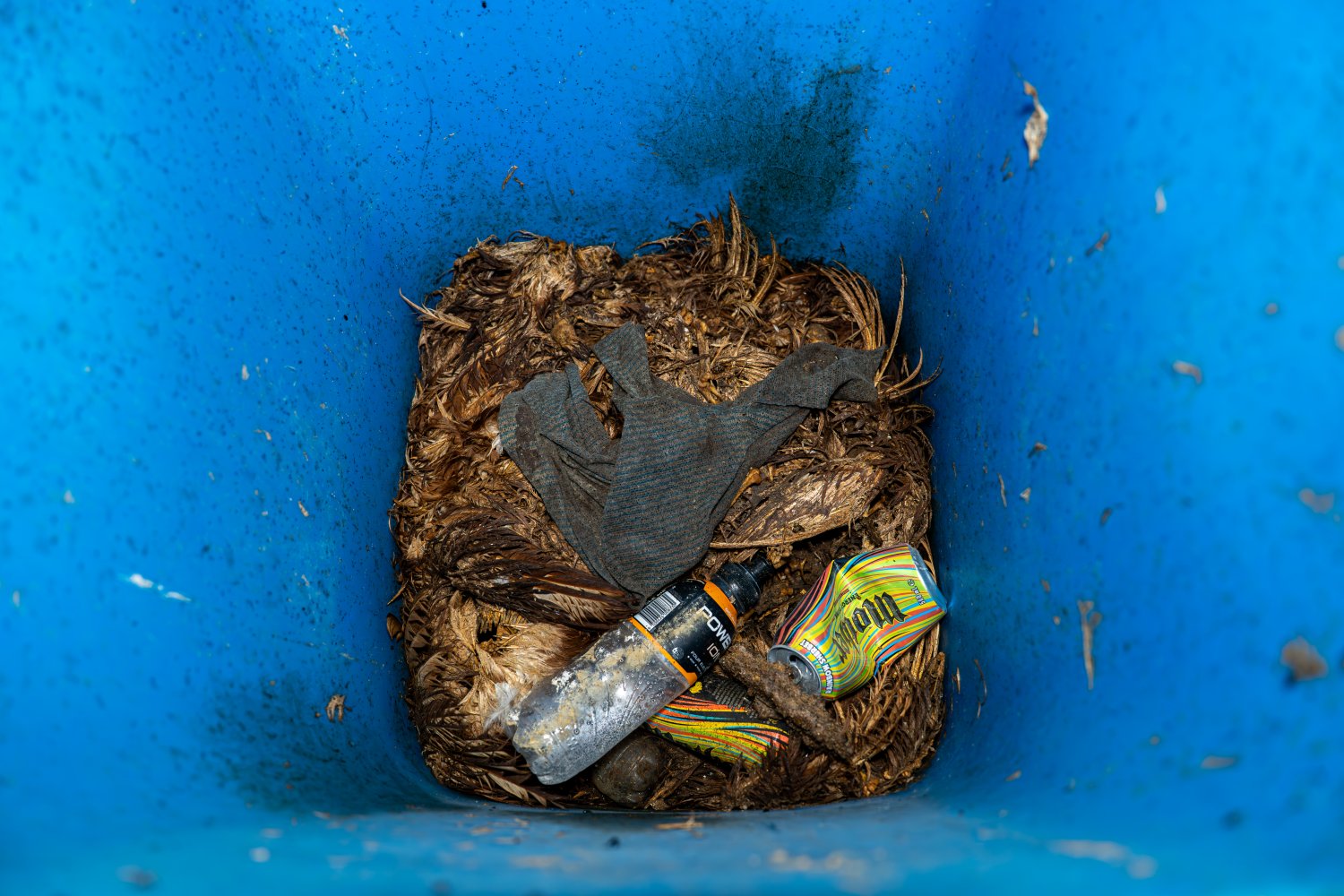
Dead hens in bins at Valley Park Farms (Farm Transparency Project, 2025)
The farms
Josh's Rainbow Eggs, Monegeetta
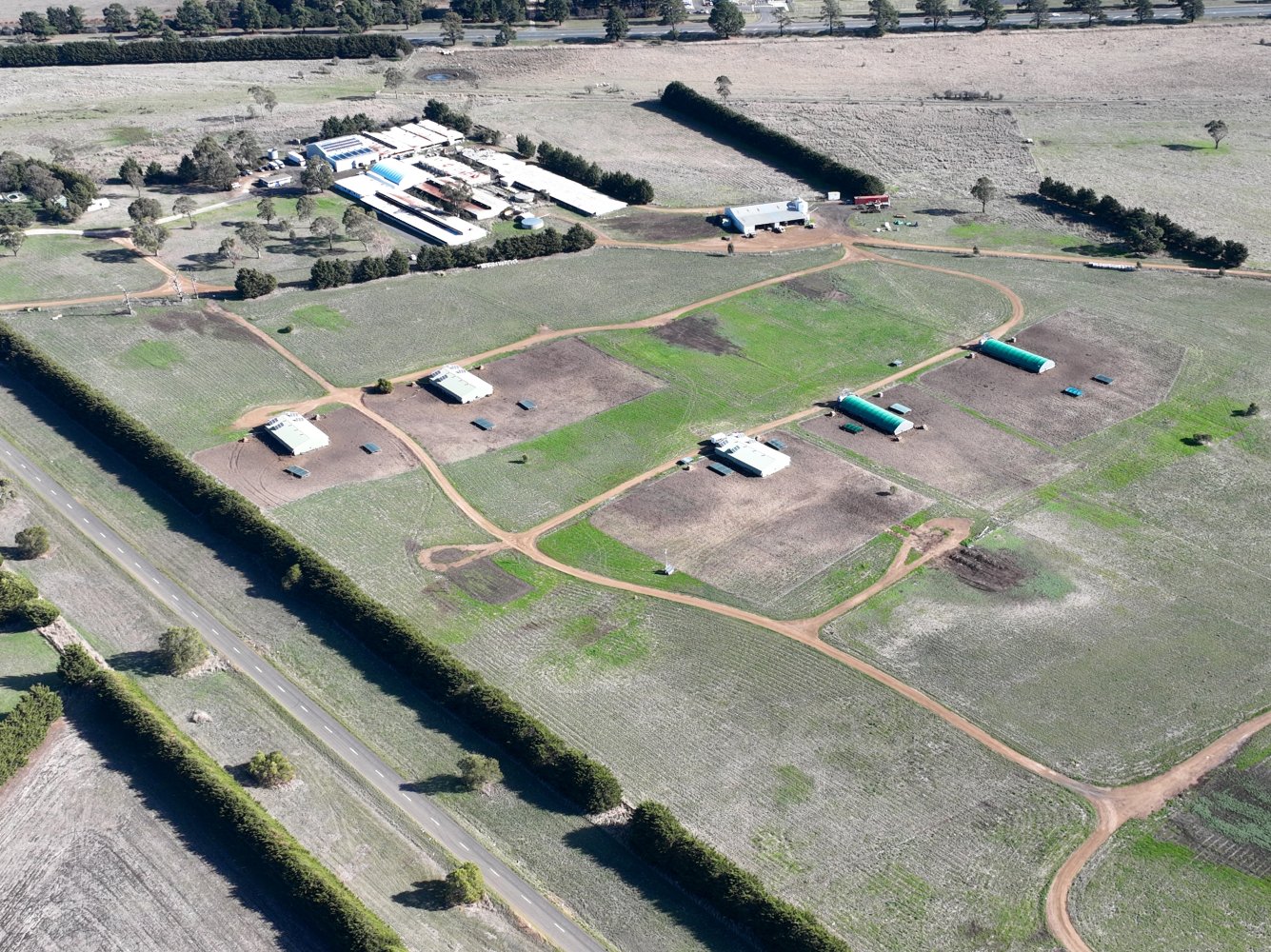
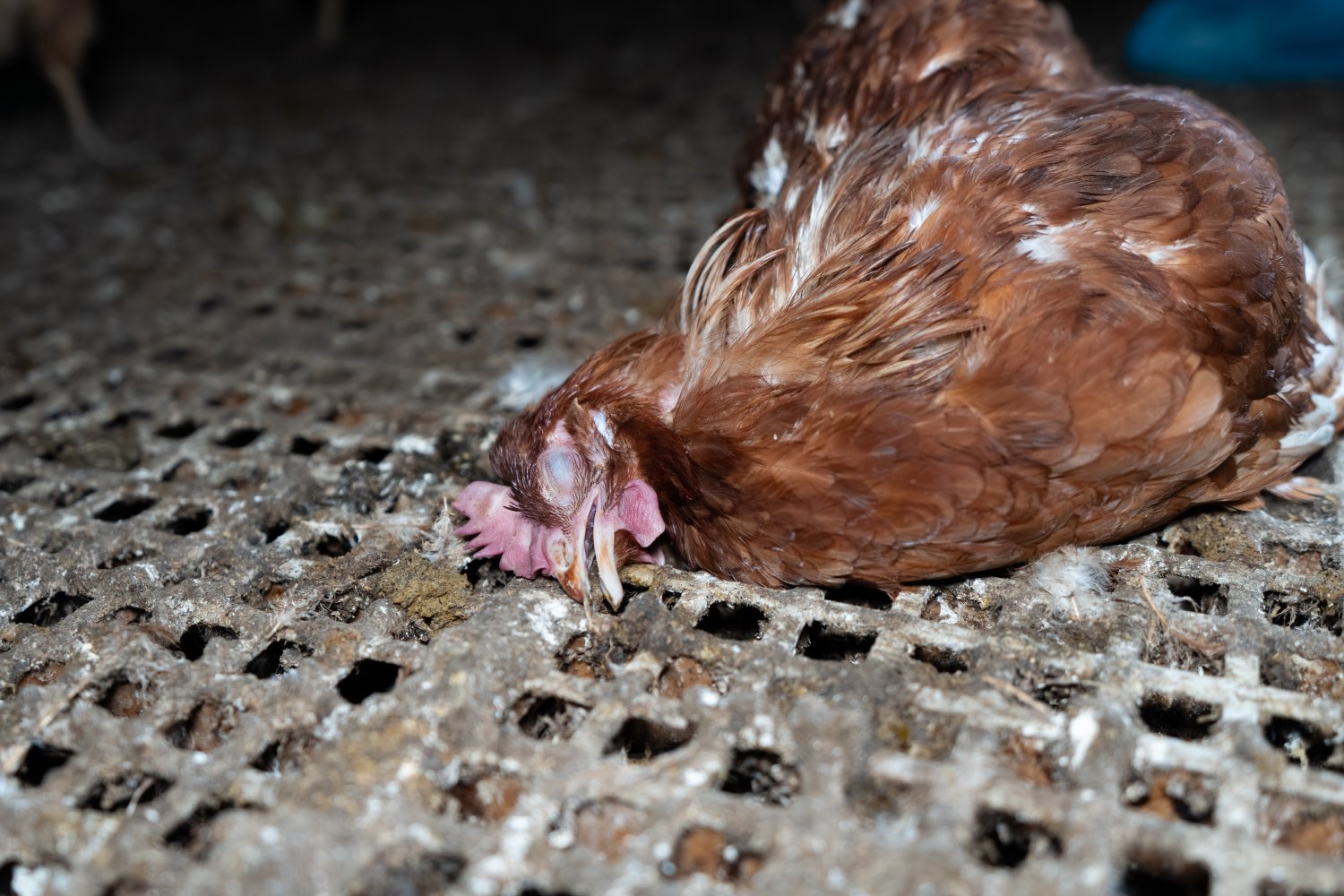
Proudly advertising themselves as 'truly free range, ethical eggs' Josh' Rainbow Eggs is known around Australia as an ethical alternative to mainstream caged egg production. With multiple awards for sustainable and ethical business operations, their farms in the Macedon Ranges are presented as a paradise where happy hens roam freely and are allowed to live in small flocks and spend their days in the sunshine.
When anonymous investigators visited Josh's farms in 2025, the reality was far different.
Hens were found with missing feathers and wounds - signs of feather pecking due to close confinement and boredom. When the investigators returned, just weeks later, boards photographed at the farm showed that over 100 birds had died in a single shed since their last visit.
Testimony from ex-workers who have anonymously provided information to Farm Transparency project, raises suspicion that Josh's Rainbow Eggs may be using starvation to induce forced moulting in hens, as a way of increasing their productivity. Two ex-workers have told our team that they were informed by a supervisor that this practice was occurring at Josh's Rainbow Eggs. This was later denied and employees banned from entering sheds. Employees have also reported degrading work practices, including being forced to clean the floor with toothbrushes and re-clean machinery after Josh used a leaf blower to blow dirt back onto it.
Josh's Rainbow Eggs are sold at Coles and Woolworths as well as independent supermarkets.
Valley Park Farms, Seymour
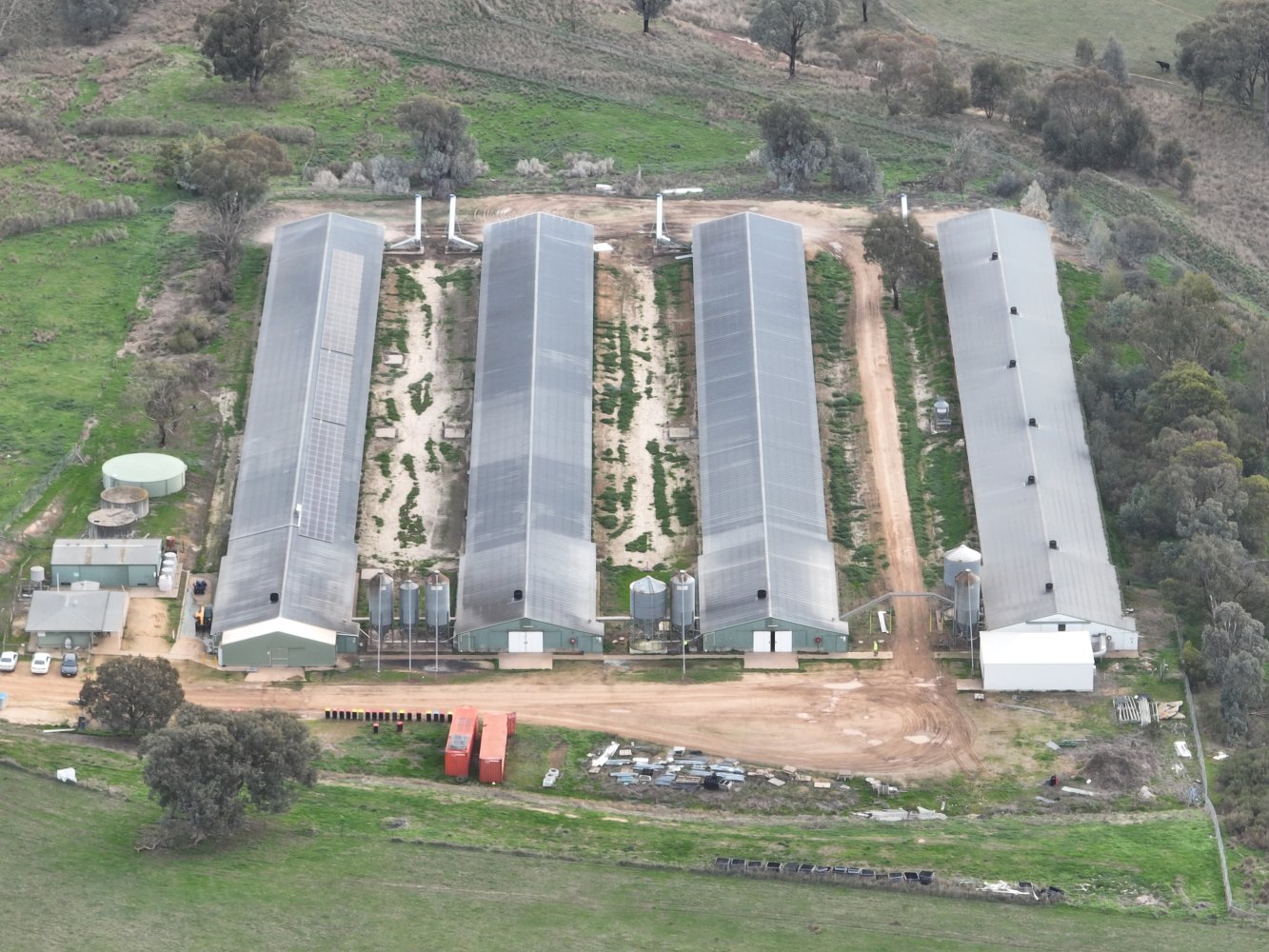
With farms across Central and Northern Victoria, Valley Park Farms proudly markets themselves as being truly free-range, no exceptions. On visiting their properties in the North Central Victorian town of Seymour however, investigators were met with a sight far from the image of 'happy hens' painted on their packaging. The farm is also associated with Fyfe Family Eggs, who operate the Seymour farm, as well as one in NSW.
At Valley Park Farms, tens of thousands of hens live in crowded, filthy sheds with only metal bars to perch on. Naturally, hens seek high places to roost but, in these cramped conditions, they are forced to fight for space on one of the faeces encrusted poles, which are arranged in tiers from the floor to the ceiling.
Hens were found with open wounds, likely from fighting and feather pecking, a symptom of overcrowded sheds. Other hens were found with symptoms of deadly reproductive illnesses, including egg binding which is caused when an egg becomes stuck in a hens cloaca. Egg binding is most commonly caused by poor nutrition and old-age. It is an incredibly painful condition which, if left untreated, will almost certainly lead to death.
The sickest and weakest hens sheltered underneath the stacks of perches and nesting boxes. Here, many also lay eggs and could be seen attempting to build nests and sit on eggs.
Farm Pride, Bears Lagoon
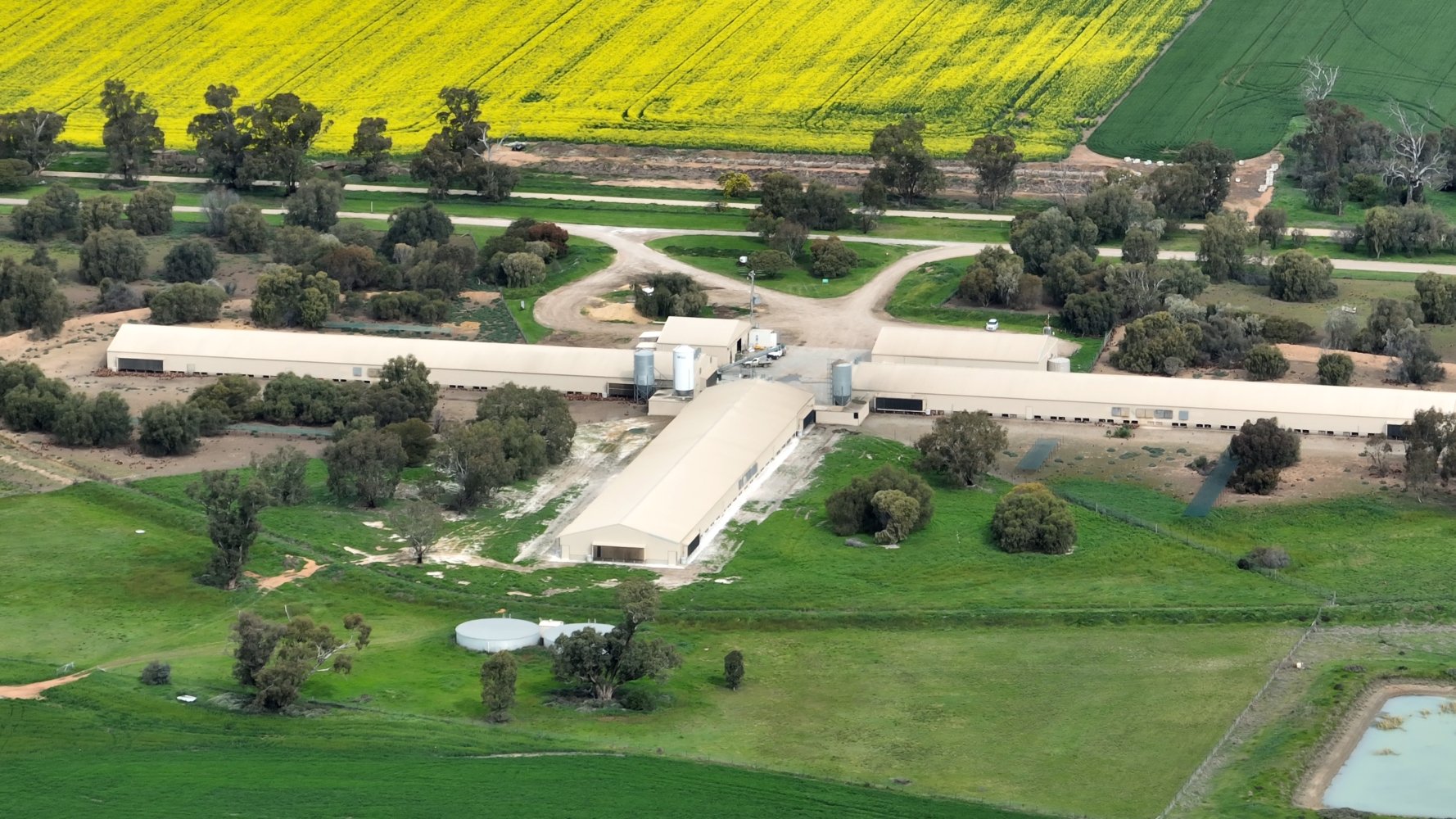
Farm Pride supplies free-range and cage-free eggs to major supermarkets under their own brand and is also a supplier for Coles brand free-range eggs. Their Bears Lagoon farm produces free-range eggs in a system described by The Age as 'intensive free-range farming.'
In these sheds tens of thousands of birds struggle for space in filthy sheds. Hens showed evidence of reproductive illnesses and feather pecking, including missing feathers from their wings and necks. One chicken was filmed with a twisted, deformed leg, while others showed clear signs of being bullied by being pecked by other chickens.
On this farm investigators entered an empty shed where hens had been 'depopulated,' to be taken to slaughter. Two chickens had been left behind and were found huddled in the empty stacks, missing almost all of the feathers from their backs and necks. In another shed hens were found to be laying jelly-like, soft shelled eggs, an indication of nutrition deficiencies and stress. Hens would fight to eat these eggs, a valuable source of calcium in their otherwise deprived diets.
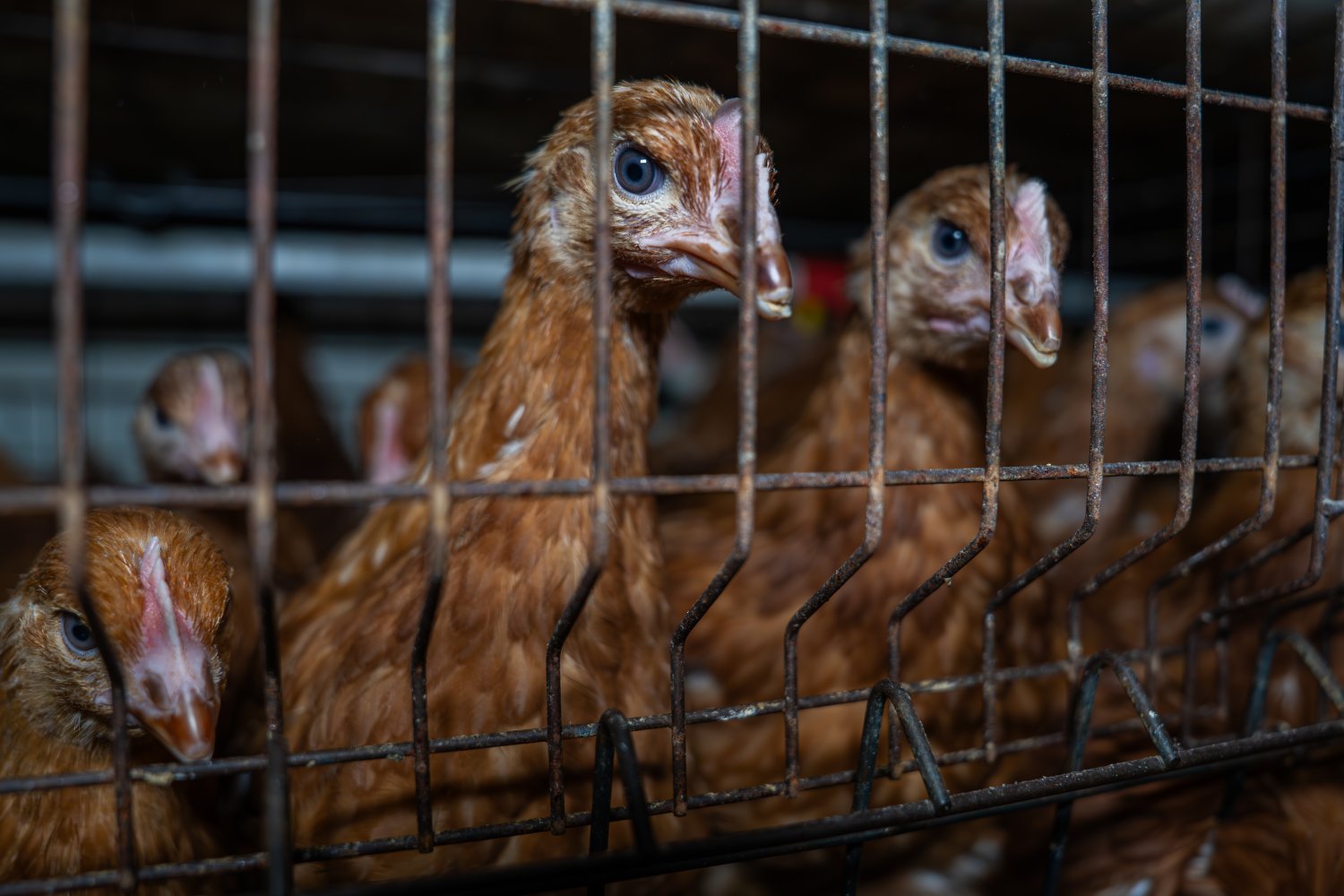
Although described as 'free-range,' young hens, known as pullets, were discovered confined to battery cages, strikingly similar to those found on cage egg farms. Hens are introduced into the laying sheds at between 18-20 weeks and will remain there until their laying slows at 12-18 months old. This means that, for up to a quarter of their life, these 'free-range' chickens will live in small, wire cages with no access to the outdoors. 18 months old 'spent' hens are sent to the slaughterhouse where they will be killed and turned into cheap meat products.
Lemitech Barn-laid Eggs, Teesdale
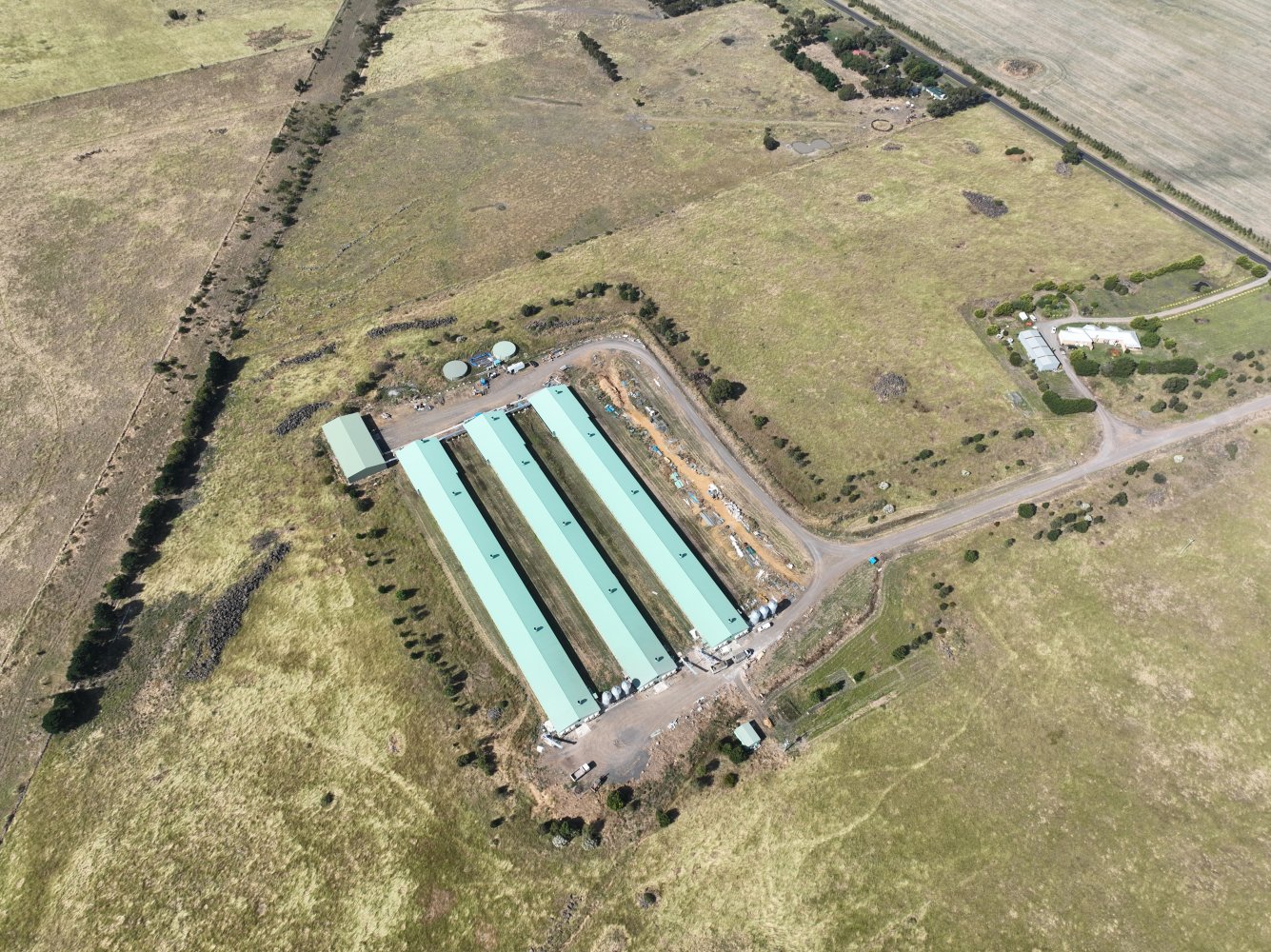
In 2017 a former meat chicken (broiler) farm was redeveloped into a cage-free egg farm by the company Lemitech. In 2023, Lemitech was charged with the death of a worker at this same egg farm, who died after becoming entangled in the conveyor belt used to move eggs from the sheds into the packing room. The company was fined $13.3 million for failing to prevent the man's death.
It's not just animals that are harmed in these systems, all too often humans become the victims as well.
This year investigators visited Lemitech's farm in Teesdale to investigate the conditions of the hens inside. They found despondent hens inside filthy sheds as well as dozens of dead hens overflowing from a bin where their bodies had been thrown. Some hens were found struggling to breathe or stand in the cramped sheds, while others had bleeding wounds from being pecked by other hens.
In barn-laid or cage-free systems, hens are kept confined to sheds for their entire lives. Often, tiered metal perches will allow the birds to roost, while nesting boxes are placed on top of metal flooring. In Australia, there are no legal requirements or standards which apply to cage-free or 'barn-laid' egg production systems. This means farmers will often pack as many hens as possible into these sheds to maximise production and account for the enormous number of birds who die from sickness or injury.
South Gippsland Eggs, Devon Meadows
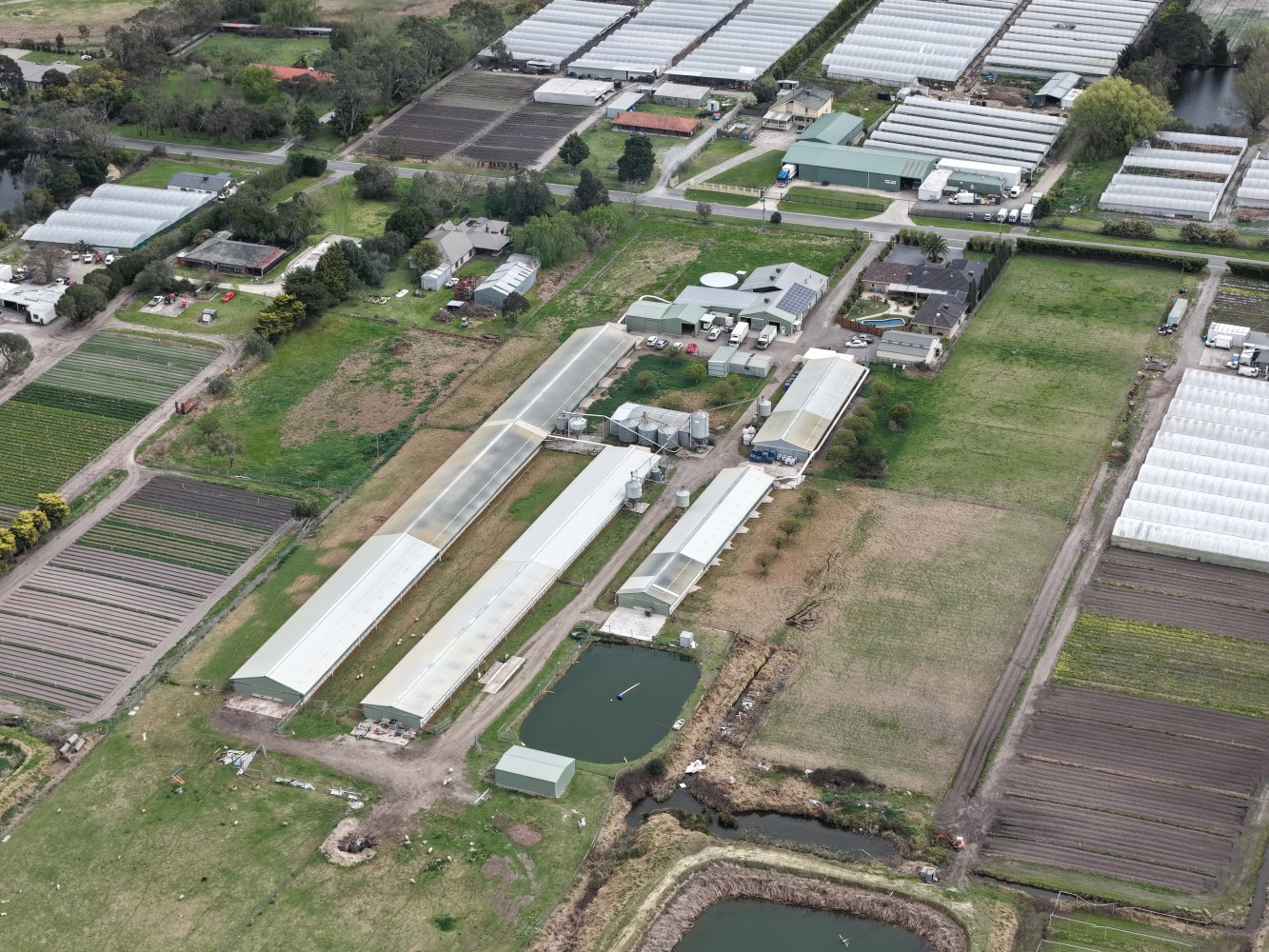
South Gippsland Eggs is a free-range egg farm in Devon Meadows, 50km from Melbourne. With a philosophy of 'happy, healthy hens lay the most delicious & wholesome eggs,' the farm has made a name for itself in the local community for offering an ethical alternative to caged eggs.
However, the scenes that greeted investigators when they entered the sheds on the property, told a different story. Thousands of hens are packed into long sheds, forced to stand on slatted metal floors. Without even perches to get off the ground, hens will huddle tightly together on the filthy floor, while their waste falls through to pits underneath the sheds.
Like on other farms, hens were found with missing feathers and wounds indicating feather pecking due to overcrowding. Dead hens lay among the living, including one who had become crushed by the door of the nesting box. Even with access to the outdoors each day, hens were found to be laying soft, jelly-like eggs, indicating calcium deficiency.
South Gippsland Eggs supplies to stores across Victoria using images and branding promising quality, free-range eggs. It is owned and operated by second-generation egg farmer Gina Magias Abraham.
Free-range Egg Farm (Peter & Cheryl King), Lethbridge
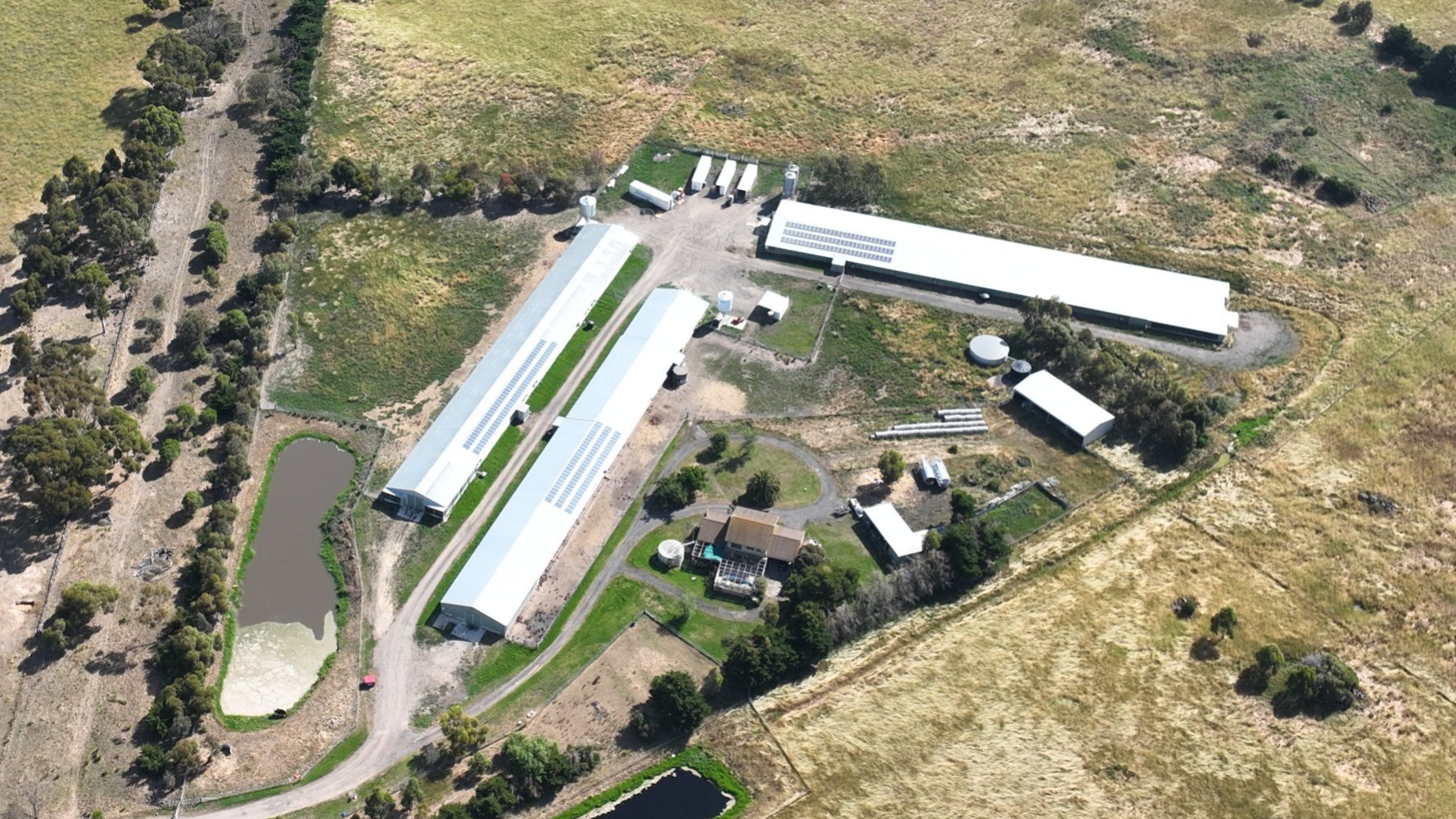
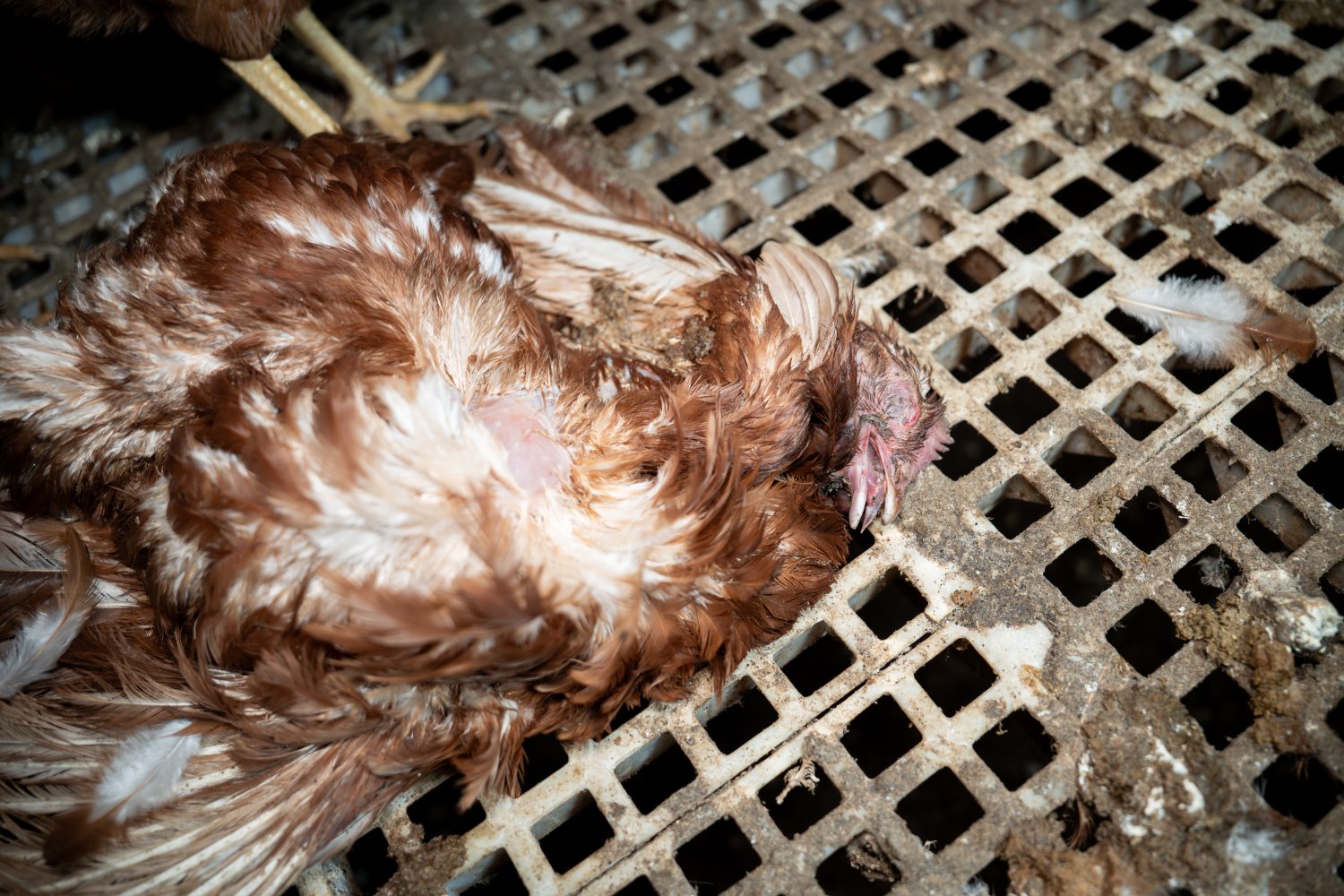
Located approximately 20 minutes from central Geelong in the town of Lethbridge, Victoria is a small free-range egg farm owned by Peter Robert King and Cheryl Wendy King.
When investigators visited in June this year, they discovered hens being housed in a long shed with a raised platform with nesting boxes in the center and A-frame perches along the perimeter of the shed. They documented the filth and feces that was caked on the metal grates which made up the platform.
One hen was struggling to stand, and was breathing heavily. Several others had already died. Their bodies were being pecked at, deficated on and stepped on by other chickens.
Bridgewater Estate Eggs, Bridgewater
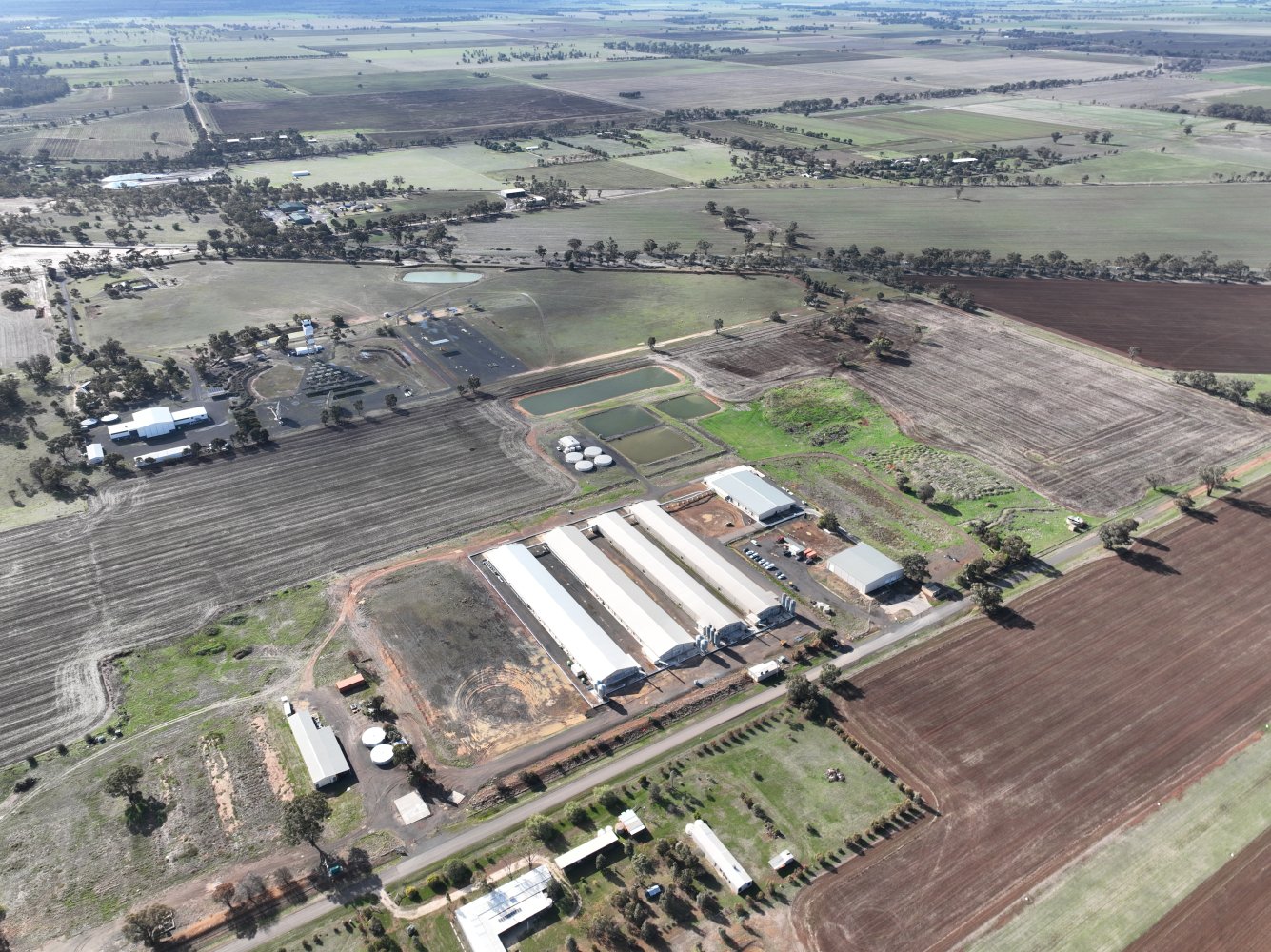
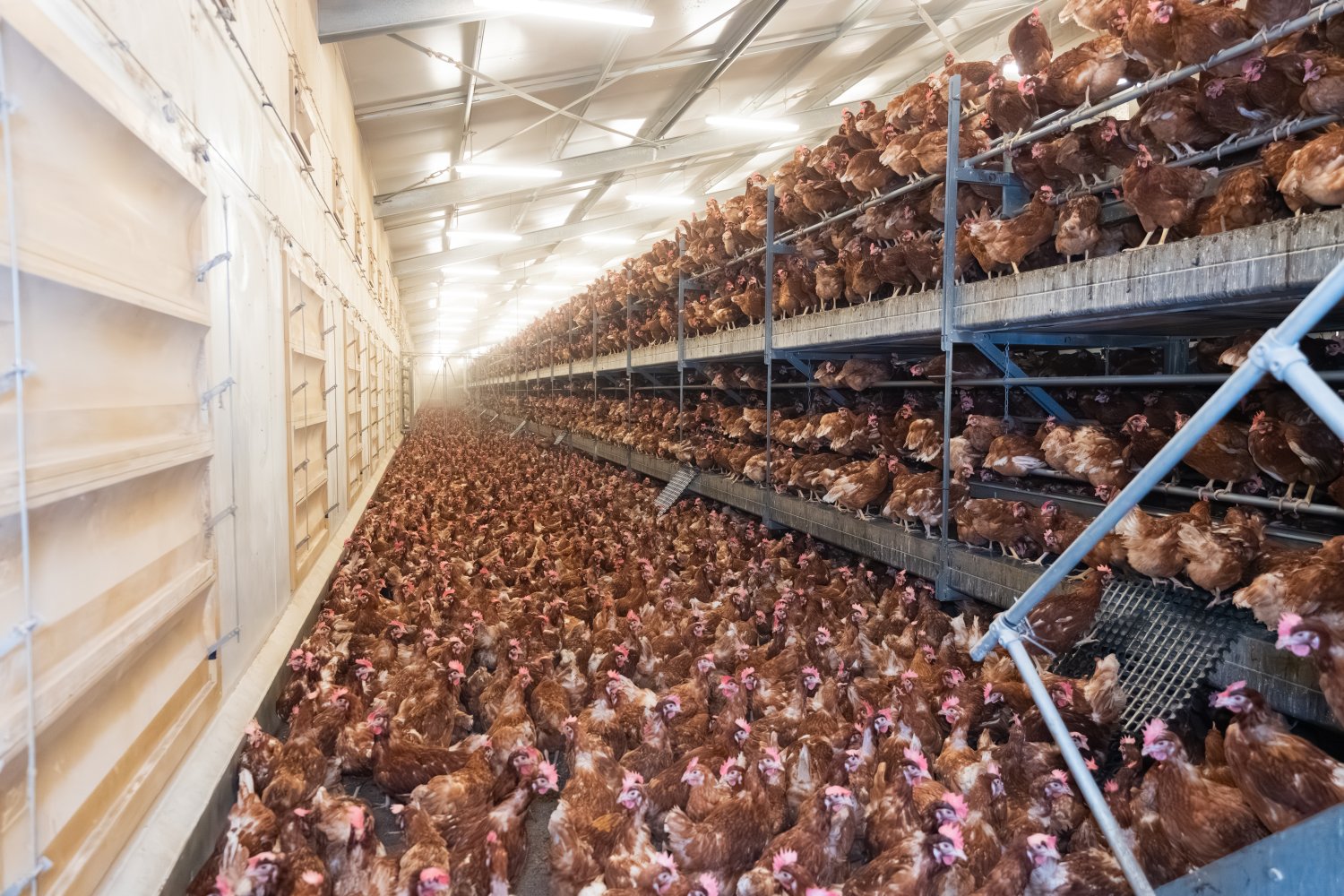
Bridgewater Poultry is owned by Peter Bozzo, Tony Nesci, Luigi Napolitano and David Scaunich. The property has sheds containing both barn-laid and caged egg-laying hens.
Previously exposed by Animal Liberation in 2019, hidden camera footage revealed 'spent' layer hens being gassed to death using carbon dioxide. Also uncovered was the shocking cruelty displayed to hens, who were beaten and abused by workers.
Earlier this year, investigators entered the farm to document the conditions inside. They found sheds with chickens packed together on the floor and on perches. The hens were so dense that investigators struggled to move between them. Months later the investigators returned to the same shed. The chickens they had documented earlier in the year were now far fewer in numbers, with the absences explained by the multiple corpses found on the floor of the shed. Live birds were missing most of their feathers, with some living and dead hens showing signs of cannibilisation. As investigators filmed, one chicken took her final breaths, gasping and spasming before falling still. Those documenting approached her to see if she could be helped, only to find that her still-warm body was already beginning to stiffen.
Bridgewater Poultry eggs are packaged as ' Victorian Fresh Barn Laid Eggs' and are sold in Woolworths, Coles and independent stores in NSW, VIC, TAS, ACT and SA. In March of 2019, their eggs were recalled after five people contracted salmonella enteritidis. The farm also has sheds filled with battery cages right next to their cage-free sheds.
What you can do
No matter if they come from free-range, cage-free or caged farms, eggs are the product of so much suffering. From newborn male chicks, ground alive on their first day of life, to 18 month old 'spent hens' killed at a slaughterhouse, the egg industry is responsible for the slaughter of millions of chickens every year.
The best thing you can do to help hens is to stop buying eggs. Take the pledge to leave animals off your plate today!
Take action
Want to spread the word about the reality of the egg industry? Download our campaign pack today. It includes poster and sticker designs and ideas for events you can run in your local community to share this investigation and encourage change.