
Deer
Deer are commercially farmed in Australia for venison (meat) and velvet (antlers).
As of 2018 there were around 45,000 deer living on approximately 1,400 farms across Australia. The main species used are:
- Red Deer (Cervus elaphys)
- Fallow Deer (Dama dama)
- Canadian Elk or Wapiti (Cervus canadensis)
Other farmed deer species are Sika deer and Rusa deer. Wild species also include Hog deer, Sambar deer and Chital Deer.
The industry's peak body is the Deer Industry Association of Australia (DIAA). The DIAA controls two product development and marketing companies: Australian Deer Horn and Co Products Pty Ltd and Deer Industry Projects and Development Pty Ltd.
Deer farms
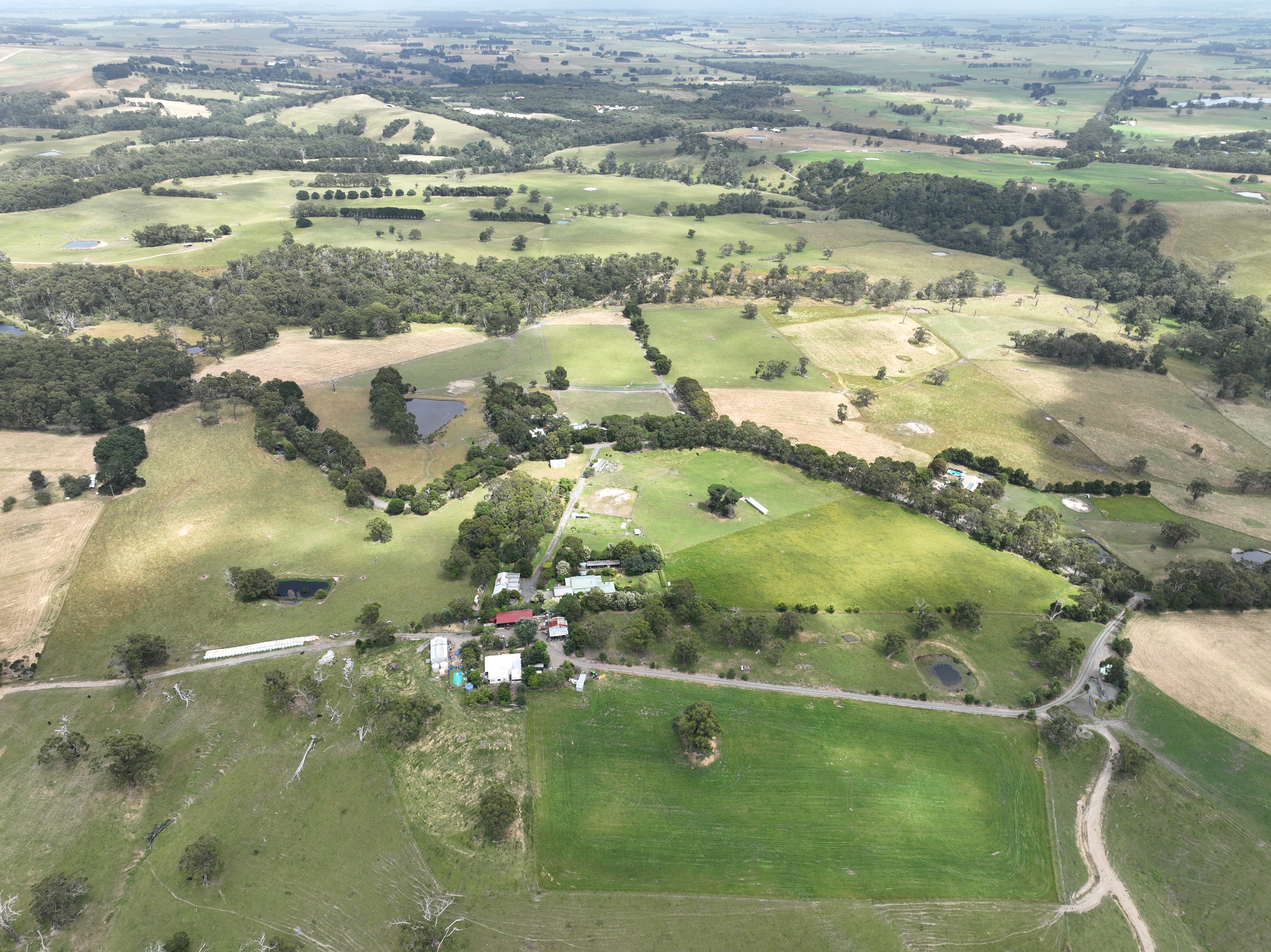
Deer killed for meat either come from farmed deer or are killed in the wild. On deer farms deers are generally kept in large paddocks with high fences. They will be killed at between one and two years of age. Some farms, like Springfield Deer Farm in Tasmania, have on site slaugherhouses to reduce make slaughter easier. Slaughterhouses, such as Wal's Bulk Meats in Tasmania, may also process wild shot deer.
Wild Deer
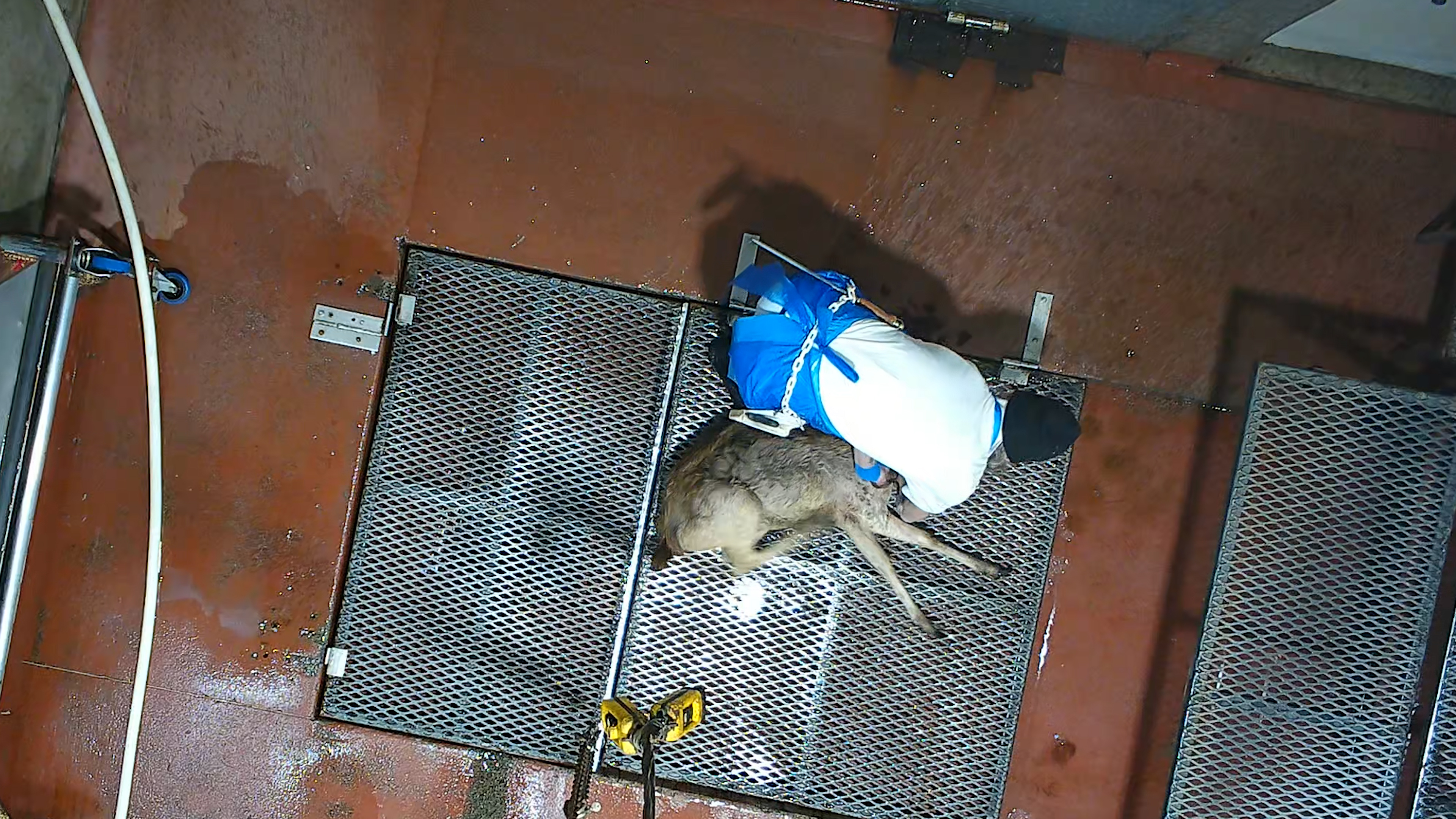
Since 2019, hunters in NSW and Victoria have been able to shoot deer, with landowner permission, on private land and send the carcasses to licensed abattoirs where venison is processed for restaurants and butchers (Good Food, 2021). Some slaughterhouses, including Macros Meats in SA and Lenah Game Meats in Tasmania, will 'harvest' wild deer which are then brought back to their facilities to be butchered.
Velvet
Male deer (stags or bucks) clash their antlers during 'ruts', battles that establish dominance hierarchies and defend or gain access to a group of females known as a harem. The antlers of temperate species undergo a yearly cycle, growing and hardening in time for the breeding season (when they rut), after which an abscission layer grows across the base of the antlers and they are cast off. As antlers grow, they are covered by a thick 'velvet' (the periosteum), a kind of skin with many associated blood vessels. If left alone, the velvet dies and the deer then rub their antlers against vegetation to remove this layer, exposing the naked, hardened bone in preparation for rutting.
Velvet antlers are harvested from deer on farms at approximately 55-65 days of growth, before they have matured and hardened. Velvet antler is cut from the deer using a meat saw, and considering the structure is fully sensitive, the process must be done with pain-relieving drugs.
Farmers who harvest antlers from deer they own or manage must be accredited by the National Velvet Accreditation Scheme (NVAS). Some 95% of the velvet harvested is exported, primarily for use as an ingredient in traditional eastern medicines.